
Networking Event Photography in Austin: A Shot-List Guide for Hosts

Networking event photography should show more than a room full of people. The finished gallery needs to communicate who gathered, why the event mattered, how the host created the experience, and what real connection looked like throughout the program.
For Austin mixers, association events, recruiting nights, professional happy hours, and member gatherings, a clear photo brief helps the photographer balance candid interaction with the signage, sponsors, speakers, and venue details the organization will need later.
Start with the images' future uses
Decide where the photographs will appear before building the shot list. Social posts may need quick, energetic moments. A recap page needs a complete visual story. Sponsor reports need visible brand placements. Future invitations benefit from photographs that show attendance, atmosphere, and authentic interaction.
Share the priority uses with the photographer, including any required horizontal or vertical crops. The same event can be photographed differently when the primary goal is recruiting, member retention, public relations, sponsorship documentation, or promotion of the next gathering.
Arrival, registration, and first impressions
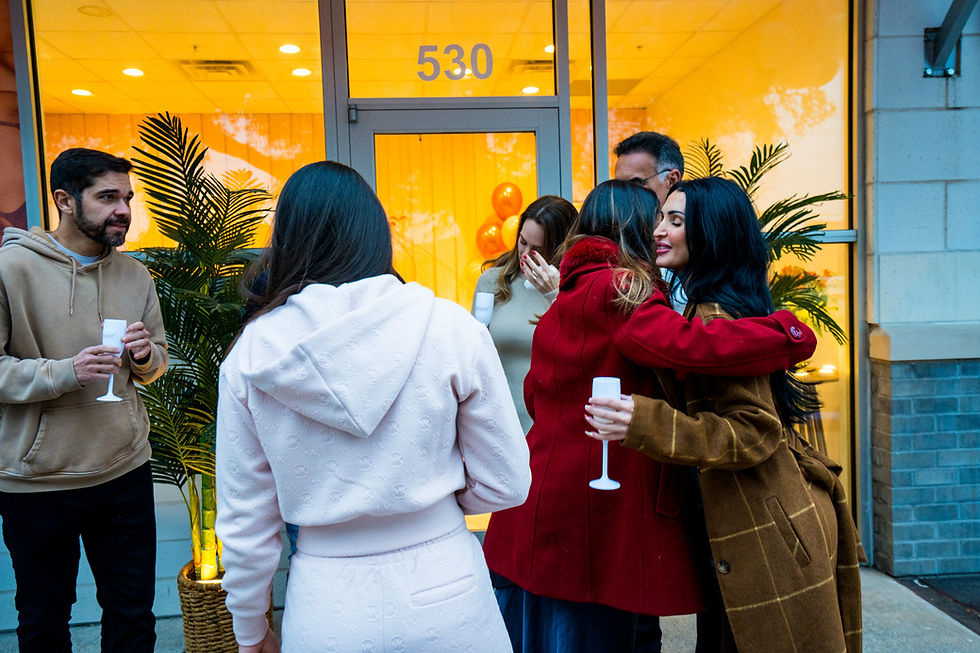
The opening photographs should establish the event without slowing down the check-in process. Useful images include exterior or venue context, the registration setup, name badges, welcome signage, hosts greeting guests, and the first conversations beginning.
If the room is expected to fill quickly, schedule a few wide photographs before the space becomes crowded. Those early frames can preserve décor, sponsor displays, and the intended room layout.
Natural conversations and introductions
The core of the gallery should show genuine interaction: two-person conversations, small groups, introductions, laughter, listening, and people moving between groups. Variety matters more than repeatedly photographing the largest cluster.
A photographer can work from the edge of a conversation, wait for expressions and gestures to align, and move on without interrupting every group for a posed picture. Brief posed photographs still have a place, especially for hosts, partners, teams, and guests who specifically want one.
Hosts, speakers, and programmed moments
Even a casual networking event may include a welcome, sponsor acknowledgment, short panel, toast, award, raffle, or closing announcement. Put those moments on the run of show and identify the people involved so the photographer can be in position before they begin.
Capture both the speaker and the audience response. A tight podium frame documents the person, while a wider image explains the room and the scale of the gathering.
Sponsors, partners, and branded details
List the sponsor signs, step-and-repeat backdrops, screens, printed materials, branded drinks, booths, or product displays that must appear in the gallery. Photograph them cleanly on their own and, when possible, with guests naturally engaging nearby.
If a sponsor expects specific proof of placement or attendance, make that requirement explicit. A general instruction to photograph the branding may not produce the exact angles a post-event report needs.
Group photographs and priority people
Provide a short VIP and group list with names, roles, and a contact who can help gather people. Prioritize the host team, leadership, speakers, sponsors, honorees, or visiting groups that cannot be recreated after the event.
Choose a location and approximate timing for any planned group picture. Waiting until the final minutes can mean key guests have already left or the best space is no longer available.
Venue, hospitality, and atmosphere
A complete gallery includes the details that made the gathering feel intentional: room-wide views, lighting, food and beverages, table arrangements, outdoor areas, entertainment, and Austin-specific venue character when it is relevant.
These images give organizers useful material for vendor acknowledgments, venue partnerships, and future event planning. They also create breathing room in a recap instead of presenting only face after face.
Privacy and guest expectations
Tell the photographer about any attendee restrictions, private areas, sensitive signage, badge information, or guests who should not be photographed. The event team should decide how attendees are informed about photography and how opt-out requests are handled.
If badges display personal contact information, discuss angles and depth of field so the gallery does not unintentionally emphasize details intended only for in-person use.
Build the brief around program beats
Coverage time should match the meaningful parts of the event rather than an arbitrary number of hours. Share when doors open, when attendance is expected to peak, when remarks occur, when sponsors need photographs, and when the room typically begins to thin.
Also identify the delivery priorities. If the marketing team needs a small selection quickly, agree on what those highlights should show. The full gallery can then tell the broader story.
Turn the shot list into a useful event gallery
The most effective networking event brief is concise: intended uses, run of show, key people, sponsor requirements, privacy notes, and a short list of must-have moments. That gives the photographer direction while leaving room to respond to the interactions that make the event distinctive.
Explore ATX Event Photography's event photography services and view a networking event gallery. To discuss an Austin networking event, contact the team.
Featured photograph by ATX Event Photography from the Events media library.


Comments