
Grand Opening Photography in Austin: A Shot-List Guide for Businesses

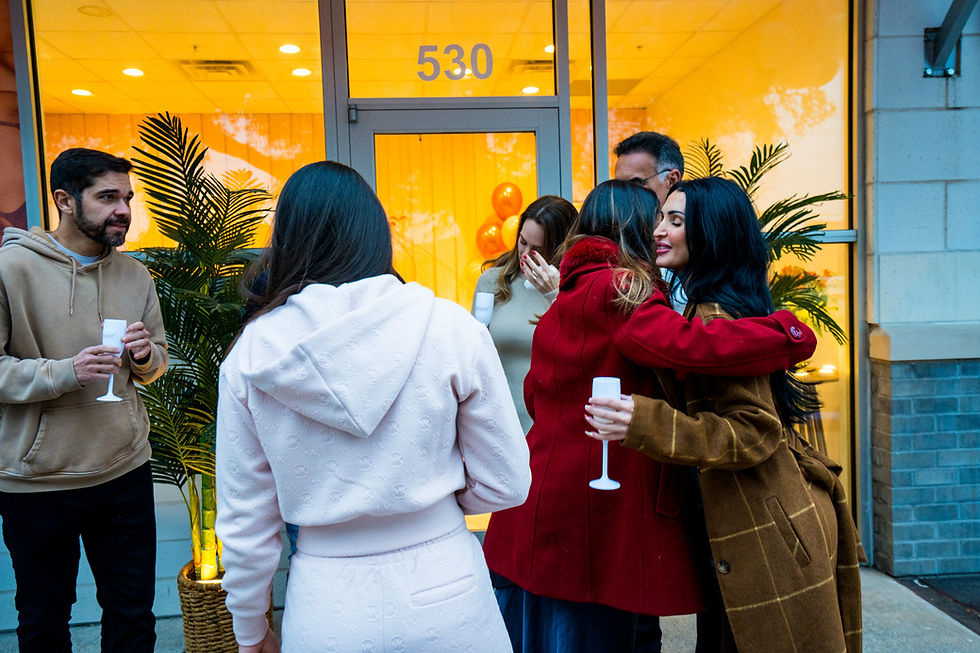
Original photograph by ATX Event Photography at an Austin grand-opening event.
A grand opening creates several stories at once. There is the official milestone, the people who made it possible, the customer experience, the physical space, and the brand’s first public impression. A useful photography plan accounts for all of them instead of relying on a single ribbon-cutting frame.
The shot list should guide the coverage without turning the event into a rigid photo session. Start with how the images will be used, identify the moments that cannot be repeated, and leave room for the interactions that happen naturally.
Define what the photographs need to do
List the channels that need images after the event: press outreach, the company website, social media, partner announcements, internal communications, community or chamber recaps, and future marketing. Each channel may call for different framing, orientation, and amounts of visible branding.
Also decide who needs the images and who approves them. A clear owner for selects, captions, names, and release considerations can prevent a delay after the event.
Build the shot list around the event timeline
Before guests arrive
Photograph the exterior, entrance, signage, prepared space, branded details, product displays, food or beverage presentation, and wide views before the room fills. These images establish place and give the business clean visual assets beyond the ceremony.
Arrivals and networking
Capture hosts greeting guests, team members in the space, community partners, customers interacting with the business, and natural groups. Provide a short priority-person list so the photographer knows which leaders, partners, officials, or speakers should not be missed.
Remarks and recognition
Document the speaker, audience reaction, applause, presentations, certificates, and sponsor or partner recognition where relevant. Share the run of show and correct names in advance so the coverage and captions are easier to organize.
The ribbon-cutting sequence
Plan for more than the instant the ribbon separates. Useful coverage can include the group assembling, people adjusting positions, a clean posed frame before the cut, hands and scissors, the cut itself, applause, reactions, and a relaxed group portrait immediately afterward.
Tours, demonstrations, and customer experience
After the formal moment, show what the business actually offers. That may mean a tour, service demonstration, product interaction, workspace, hospitality moment, or conversation between guests and staff. The resulting images help explain the business to someone who did not attend.
Identify priority people and brand details
Create a concise list with names, roles, and recognizable cues for the most important people. If local officials, investors, partners, or organization leaders will attend, note any combinations that need a group portrait. Assign an event contact who can help gather people quickly.
For the brand, identify the signs, products, uniforms, décor, architectural elements, sponsor marks, or customer touchpoints that should appear. Avoid forcing every logo into every frame. A mix of clean details, environmental views, and natural action usually gives the marketing team more options.
ATX Event Photography’s brand-activation shot-list guide offers additional planning ideas for interactive branded experiences.
Prepare the space for cleaner photographs
Walk through the ribbon location and speaking area from the audience viewpoint. Look for cluttered backgrounds, reflective surfaces, temporary signs, open doors, cables, harsh mixed lighting, and traffic paths that could disrupt the ceremony. Small placement changes before guests arrive can improve the final images.
Make sure the ribbon line has enough depth for the intended group and that guests can see without pressing into the photographer’s working area. If the event is outdoors, develop a weather alternative and communicate it before the day.
Decide whether the opening also needs video
Photography is efficient for press, web pages, social posts, and archival moments. Video adds voice, movement, crowd energy, remarks, demonstrations, and short interview opportunities. If both are planned, align the teams on positions, audio needs, lighting, timing, and the moments each must protect.
Review the company’s photography and video services and browse event galleries to see how different event types translate into visual coverage.
Plan any fast-turnaround needs before the event
If a press contact, executive, partner, or social team needs a small set quickly, identify that request in advance. Specify the must-have moments, preferred image orientation, delivery contact, caption details, and approval process. This allows the photographer to prioritize the right selects without guessing.
Grand-opening photography brief checklist
Provide the address, access and parking instructions, event timeline, run of show, priority-person list, required groupings, brand details, planned uses, any venue restrictions, a day-of contact, and the requested delivery path. Include release or privacy instructions that apply to the event and have the appropriate professional review any policy questions.
Make the milestone useful long after opening day
A strong grand-opening gallery preserves the ceremony while also creating an adaptable library of the people, space, service, and brand. The best planning protects the unrepeatable moments and gives the photographer enough context to recognize the unscripted ones.
Contact ATX Event Photography to discuss professional grand-opening photography or video coverage in Austin and Central Texas.


Comments