
Event Venue Photography in Austin: A Content Shot List for Venue Teams


Event venue photography has two jobs. It should help a planner understand the space, and it should help that planner imagine a successful event happening there. A gallery made only of empty-room wide shots explains the floor plan but not the experience. A gallery made only of close guest moments shows energy but may leave practical questions unanswered.
The strongest venue content plan captures both. Use this shot list to prepare a photographer, venue team, planner, and vendors before the doors open. For examples of different event environments, browse the ATX Event Photography galleries.
Separate evergreen venue assets from event recap images
Evergreen assets should stay useful across seasons and clients: exterior approaches, entrances, empty rooms, common layouts, architectural features, and service areas that planners routinely ask about. Event recap images document one specific program, design, audience, and brand. Plan both sets intentionally so the venue gains reusable sales content without weakening the client’s event story.
Photograph the room through its transformation
Create a short capture window before vendor load-in if the architecture matters, another after setup but before guests arrive, and a final set when the room is active. The sequence shows what the space can become while preserving clean views that are difficult to make once coats, bags, and half-finished drinks appear.
Exterior, entrance, signage position, and arrival path
Empty-room wide views from useful corners
Completed room before guest arrival
Tables, stage, bars, lounge areas, and branded details
Guest arrival and room filling naturally
Program moments and audience response
Evening exterior or closing atmosphere when relevant
Show layout flexibility without vague capacity claims
Photograph meaningfully different configurations: seated dinner, classroom or theater layout, cocktail reception, panel discussion, or breakout space when those setups are actually used. Label images by layout and event type in your asset library. Let official venue materials carry current capacity numbers; photographs should demonstrate the spatial relationship, not substitute for verified specifications.
Capture what gives planners confidence
Planners look for evidence that guests can arrive, orient themselves, move through the venue, see the program, and use the space comfortably. Ask the venue team which practical questions appear in almost every inquiry. The resulting list may include entrances, registration, sight lines, transitions between rooms, weather-plan spaces, or where branded installations can live.
Coordinate vendor and sponsor coverage
Florals, rentals, lighting, catering presentation, staging, entertainment, and branded installations are part of the venue story. Build a short vendor list with correct business names and priority details. Confirm permissions and usage expectations with the client and planner, especially when sponsor branding, attendee privacy, or unreleased products are involved.
Request useful crops and orientations
A single horizontal hero image will not cover a venue’s website, directory profiles, sales deck, email, press requests, and vertical social placements. Identify the highest-value destinations before the event. Capture horizontal and vertical variations, clean compositions with room for text, and tighter detail images. Do not rely on extreme crops of one frame to solve every format.
Prepare the property before photography
Remove temporary clutter, cleaning supplies, and inactive equipment from key views.
Replace dead bulbs and test the lighting scenes that will be used.
Confirm access to locked rooms, balconies, stages, or exterior viewpoints.
Align signage and remove outdated printed materials.
Assign one person to approve setup details before the photographer begins.
Share the event timeline, required images, restrictions, and key contacts.
Organize delivery for future use
Ask for a delivery structure that the sales and marketing team can search later. Folders or filenames can reflect venue area, setup type, event category, orientation, or usage priority. Keep licensing and client-permission notes with the collection. A smaller set of clearly labeled images is more valuable than a large gallery no one can navigate.
A concise venue photography brief
Primary marketing goals and channels
Priority spaces and verified layouts
Three to five must-have wide views
Architecture and amenities to emphasize
Key vendors, sponsors, and branded details
Guest-experience moments to capture
Horizontal, vertical, and text-safe compositions
Permissions, privacy limits, and delivery deadline
ATX Event Photography provides professional photo and video coverage for corporate events, conferences, parties, brand activations, and related gatherings in Austin and Central Texas. Review our event photography and videography services, read our guide to Austin event venues, or contact us to plan useful venue content.
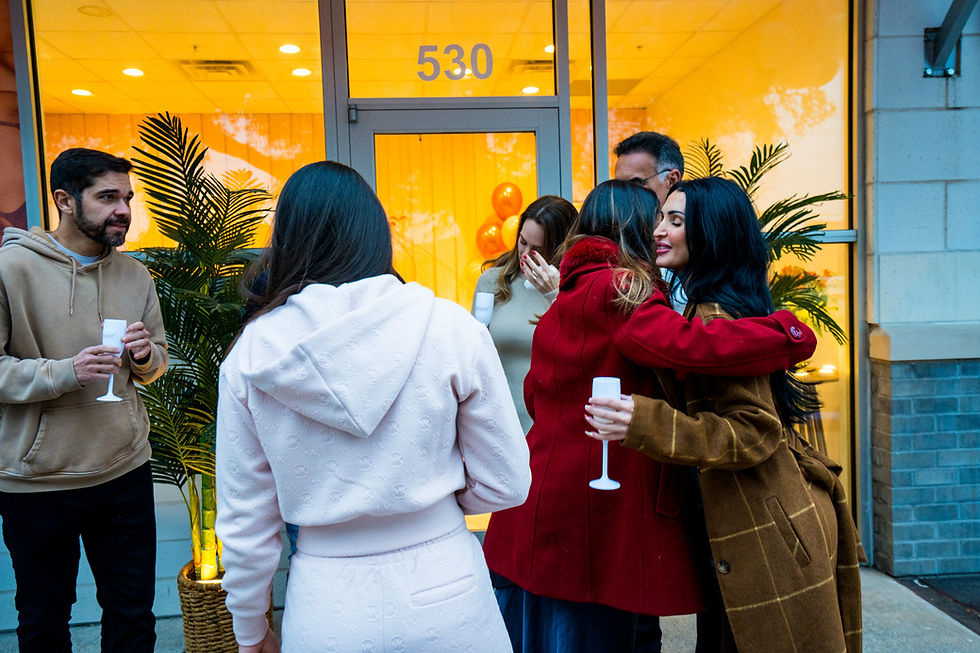
Featured and in-post photograph by ATX Event Photography, selected from the site’s CMS Galleries media library.


Comments