
2025 Event Photography Trends and Tips to Elevate Your Skills

Updated: Aug 27
Event photography continues to evolve as technology advances and client expectations shift. For photographers and event organizers aiming to capture memorable moments in 2025, understanding the latest trends and practical techniques is essential. This post explores key developments, challenges, and actionable advice to help professionals deliver outstanding results across weddings, concerts, corporate functions, sports events, and social gatherings.
Understanding the Changing Landscape of Event Photography
Event photography is no longer just about snapping posed shots. Today, it involves storytelling, adapting to diverse environments, and using technology creatively. The demand for authentic, high-quality images that convey emotion and atmosphere is growing. Photographers must balance technical skills with interpersonal communication to meet client needs and stand out in a competitive market.
Key Trends Shaping Event Photography in 2025
1. Natural and Candid Storytelling
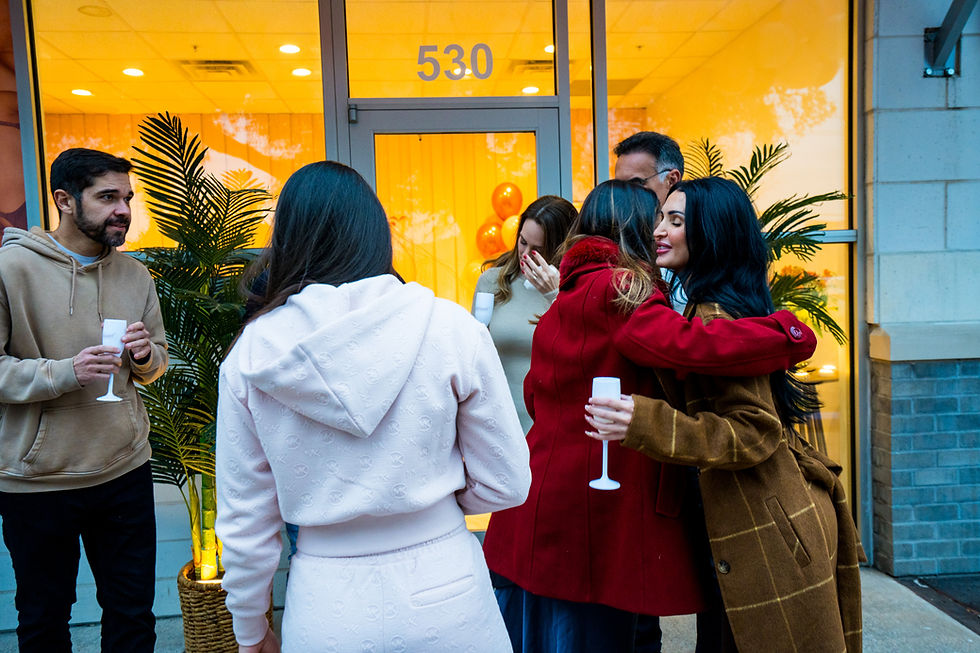
Clients increasingly want photos that tell a story rather than staged portraits. Capturing genuine interactions, spontaneous laughter, and subtle emotions creates a more immersive experience.
Focus on moments between the main events, such as guests chatting or children playing.
Use a longer lens to stay unobtrusive and catch natural expressions.
Anticipate key moments by observing the flow of the event.
2. Hybrid Photography and Videography Packages
Many clients prefer combined photo and video services for a comprehensive record of their event. Offering hybrid packages can increase bookings and provide a seamless narrative.
Invest in lightweight video equipment compatible with your photography gear.
Learn basic videography skills like smooth panning and audio capture.
Coordinate with videographers if working in a team to avoid overlap.
3. Use of Advanced Lighting Techniques
Lighting remains one of the biggest challenges in event photography, especially in dim or mixed-light environments like concerts or evening receptions.
Portable LED panels with adjustable color temperature help balance ambient light.
Off-camera flash with softboxes or diffusers creates flattering portraits.
Experiment with gels to add creative color effects matching event themes.
4. Incorporation of Drones and Aerial Shots
Drones offer unique perspectives for outdoor events such as sports, festivals, and large weddings.
Ensure compliance with local drone regulations and obtain necessary permits.
Use drones for establishing shots or crowd scenes to add variety.
Practice smooth flight paths to avoid jerky footage or blurred images.
5. Faster Turnaround and Real-Time Sharing
Clients expect quicker delivery of images, sometimes even during the event.
Use tethered shooting to upload photos directly to a laptop or cloud storage.
Employ mobile editing apps for on-the-go adjustments.
Offer live photo streams or instant galleries for guests to view and share.

Practical Tips for Improving Event Photography Skills
Mastering Equipment Choices
Choosing the right gear can make or break an event shoot.
Use fast prime lenses (f/1.8 or wider) for low-light conditions and shallow depth of field.
Carry a versatile zoom lens (24-70mm) for quick framing changes.
Bring extra batteries and memory cards to avoid interruptions.
Handling Lighting Challenges
Every event venue presents unique lighting issues.
Scout the location beforehand to identify natural light sources and dark spots.
Use reflectors to bounce light onto subjects in shadowed areas.
Adjust white balance manually to maintain accurate colors under mixed lighting.
Capturing Candid Moments
Candid shots often become the most cherished images.
Blend into the background and avoid drawing attention.
Observe guests’ interactions and be ready to shoot quickly.
Use burst mode to capture fleeting expressions.
Streamlining Workflow and Editing
Efficient post-processing saves time and improves consistency.
Develop presets for common event types to speed up editing.
Prioritize color correction and exposure adjustments before retouching.
Back up files immediately after the event to prevent data loss.
Communicating with Clients
Clear communication ensures expectations align and builds trust.
Discuss the event schedule and key moments to capture in advance.
Share sample images or portfolios to clarify style preferences.
Provide realistic timelines for image delivery.

Applying These Insights to Different Event Types
Weddings
Focus on emotional highlights like vows, first dances, and candid family moments.
Use natural light during outdoor ceremonies and soft flash indoors.
Offer engagement shoots to build rapport with clients.
Corporate Functions and Conferences
Capture speakers, audience reactions, and networking interactions.
Use wide-angle lenses for group shots and venue overviews.
Maintain a professional, unobtrusive presence.
Concerts and Festivals
Prepare for fast-moving subjects and changing light conditions.
Use high ISO settings and fast lenses to freeze motion.
Capture crowd energy and stage details.
Sports Events
Anticipate action with continuous autofocus and burst shooting.
Position yourself strategically for key plays.
Include both close-ups and wide shots for context.
Social Gatherings and Birthdays
Emphasize fun, candid moments and decorations.
Use creative angles to add variety.
Engage with guests to encourage natural smiles.
Event photography demands a blend of technical skill, creativity, and interpersonal finesse. Staying updated on trends like candid storytelling, hybrid services, and advanced lighting techniques helps photographers deliver images that truly resonate. For event organizers, partnering with photographers who understand these nuances ensures every moment is captured with clarity and emotion.
Investing in professional event photography adds lasting value to any occasion. Whether hiring a photographer or refining your own skills, focus on preparation, communication, and adaptability. These elements will help create images that clients treasure for years.
If you are planning an event or want to improve your photography, consider reaching out to a professional photographer who can provide tailored advice and support. Capturing your event’s unique story is a craft worth mastering.


Comments